
Strict residency rules leave out students with deep roots in Newfoundland and Labrador who want to apply to MUN’s med school and practice in the province.
Ben Duggan
Kicker
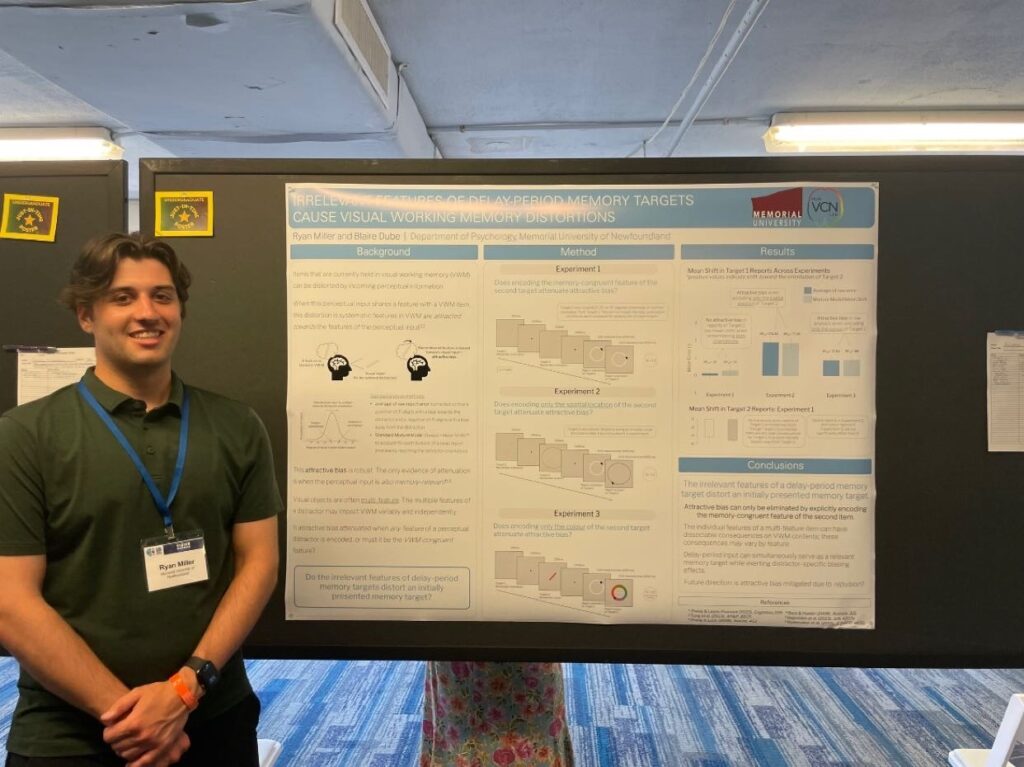
St. John’s — Ryan Miller, a recent psychology graduate, aims to become a doctor and serve Newfoundland and Labrador. But strict residency rules at Memorial University’s faculty of medicine bar him from competing for one of the province’s reserved seats.
Miller was born in Cape Breton, N.S. His parents come from Newfoundland and Labrador, but his father’s job as an RCMP officer required the family to relocate across Canada for different postings.
Miller has lived in the province since 2018. However, he does not qualify as a Newfoundland and Labrador resident under the current definition. Therefore, he must compete for one of the limited seats in the general Canadian pool rather than the much larger Newfoundland and Labrador one.
Miller plans to build his career and practise medicine here.
“You can’t pick where you’re born, but you can pick where you call home,” he said.
He recognizes the rationale behind residency preferences. Canadian medical schools prioritize local applicants to improve retention rates.
“The whole reason that you put preference on Newfoundland residents is because they’re more likely to stay here,” said Miller.
The government’s challenge, Miller suggests, lies in balancing priorities.
“I think it’s just that you have to try and balance giving the advantage to people that are going to stay here while also trying to weed out the people that are going to try and take advantage of that system.” he said
Still, Miller believes the rules overlook genuine cases such as his.
“And I think just the current definition fails to meet sort of the edge cases like myself that we are going to and we want to stay here to practise,” he said.
The Memorial University faculty of Medicine admits 90 students each year. It reserves 81 seats for Newfoundland and Labrador residents, three for Indigenous applicants, and six for other Canadians.
The Memorial University Act defines a “Newfoundland and Labrador resident” for medical admissions. Applicants must be Canadian citizens or permanent residents and meet one of two main criteria: complete four years of school (grade 7 to grade 12) in the province within the last 12 years, or maintain a permanent address in the province for at least three consecutive years immediately before applying, while not attending post-secondary education full-or part-time. The permanent address requires physical residence for at least 10 months per year, or residence within 100 km of employment under specific conditions.
The provincial government confirmed this definition in legislation in 2024, though the university had applied the current definition before then.
Education Minister Paul Dinn addressed similar concerns in an emailed statement.
“We are working with the university to examine further how ‘Newfoundland and Labrador resident’ is defined in the Memorial University Act and how this may affect students in unique situations.”
Miller’s experience highlights how the criteria can exclude individuals with ties to the province, particularly those affected by public service relocations. While reviews continue, applicants in exceptional circumstances face significant hurdles in pursuing medical training here in Newfoundland and Labrador.
Great job Ben ! Excellent read